Sophia Greisen
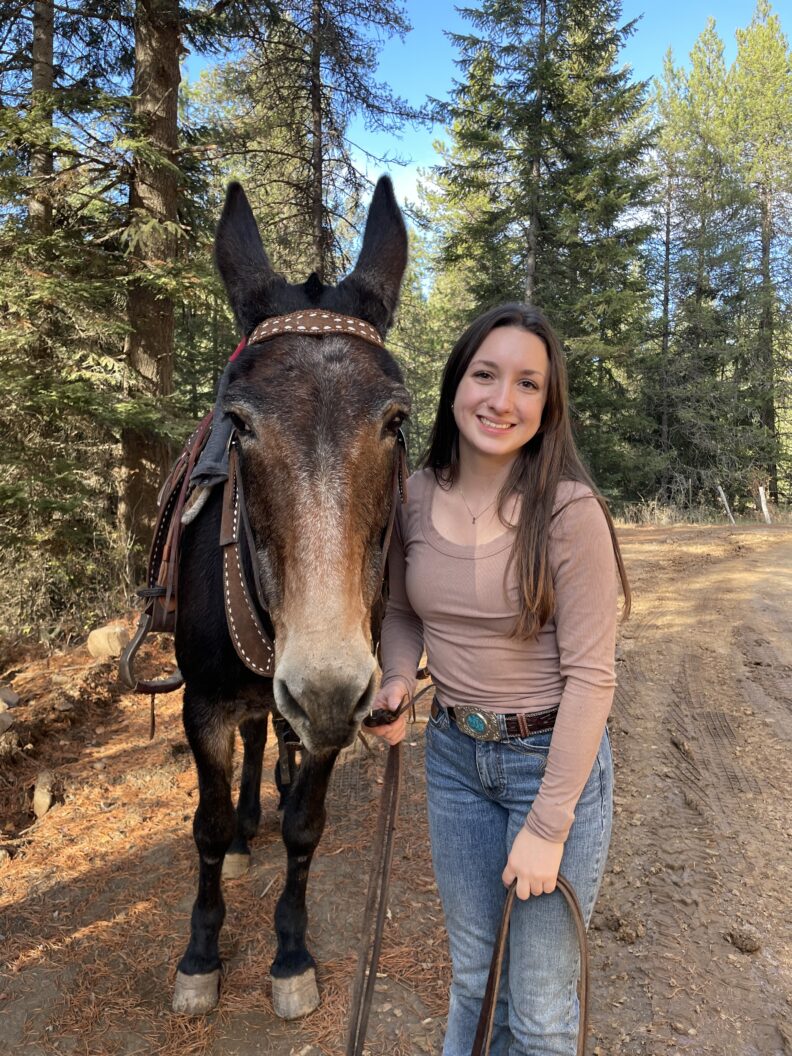
Hi, I’m Sophia!
I’m a DVM student from Washington and completed my undergraduate studies at University of Massachusetts Amherst. I started the DVM program on the Pullman campus as a member of the class of 2028. This is my second year as an ambassador.
I’d love to talk to you about anything vet school related!
Areas of interest
- Small animal emergency & critical care
- Surgery
- Mixed animal practice
Club involvement
- Emergency and Critical Care Club (Vice President)
- Veterinary Business Management Association
- Student Chapter American Association of Equine Practitioners (Secretary)
- Shelter Medicine Club
Extracurricular activities
- Research with DVM faculty on Thoroughbred race horses
- VTH large animal barn crew student worker
- VTH on-call surgery tech student worker
- Club lab opportunities
Club opportunities are extensive, with numerous clubs that provide unlimited learning opportunities, guest lectures, wet labs, and chances to explore different areas of veterinary medicine. Getting involved in clubs is a great way to learn outside the classroom, build connections, and gain exposure to specialties and career paths that interest you.
I like living in Pullman because the community here is really strong and welcoming to veterinary students. There is a supportive atmosphere both on campus and throughout the town, and people genuinely want students to succeed. I also appreciate the close-knit environment, which makes it easy to build friendships, get involved, and feel connected to the community. Pullman has become a place where I feel supported both academically and personally.
The DVM program at WSU does an amazing job creating capable and knowledgeable doctors. WSU uniquely offers the Diagnostic Challenge to second year students. My experience with DCs has made me feel more confident in my ability to work with a team to run diagnostics and reach a diagnosis for our cases while keeping finances and real-world constraints in mind. The Simulated Based Education Department at WSU is another unique program aspect. It instills confidence in clinical and practical skills and provides an environment where mistakes can be made without the consequences.