Kaitlin Mirkin
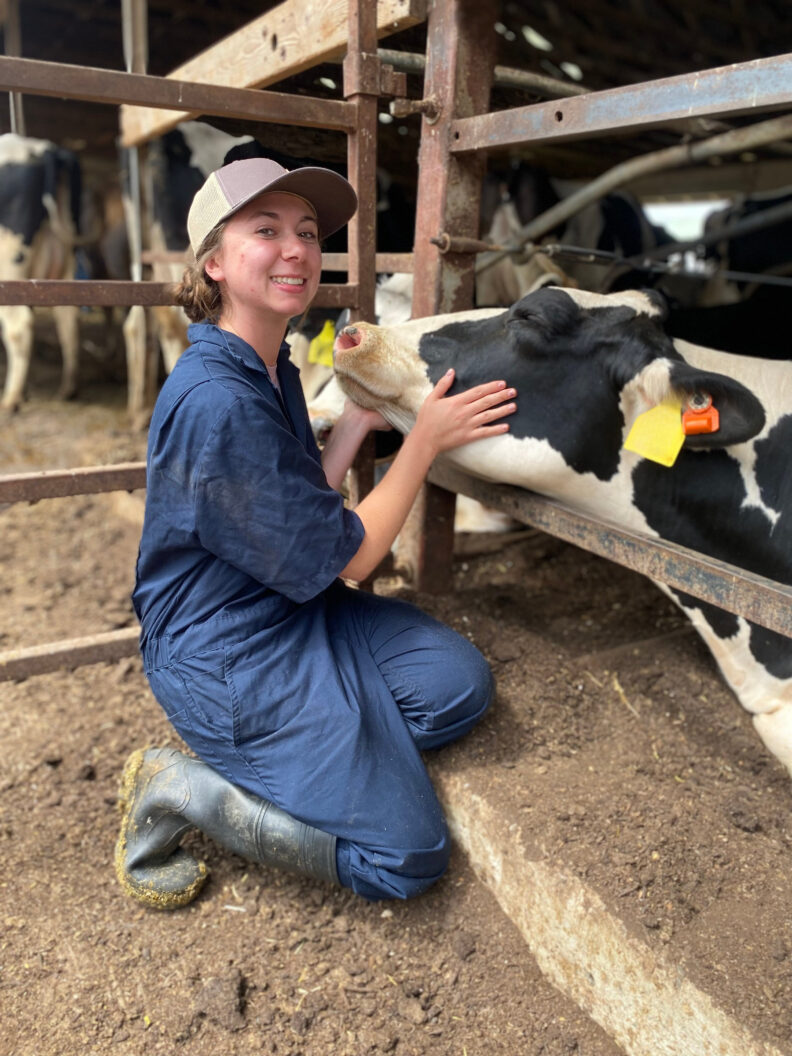
Hi, I’m Kaitlin!
I’m a DVM student from Idaho and completed my undergraduate studies at the University of Idaho. I started the DVM program on the Pullman campus as a member of the class of 2027. This is my second year as an ambassador- check out my spotlight feature!
I’d love to talk to you about third year electives and highlights of our curriculum.
Areas of interest
- Large animal
- Extension
Club involvement
- Agriculture Animal Club
- Honey Bee Veterinary Medicine Club
- Theriogenology Club
- Herd Health
Extracurricular activities
- WSU Veterinary Medicine Extension Veterinary Student Internship: Biosecurity Preparedness
- DVM tour guide
- Diagnostic Challenge case development
Many electives take place during lunch or late after other classes, and very similarly to clubs they are a great way to dive further in depth on a subject that interests you or to learn about a new topic! Previously, I participated in a Spanish for Veterinarians class which I think was a unique opportunity to practice a skill that will be very practical in the future, and the beginner and advanced sections of this course allow students to continually build on their knowledge. Some electives can be taken multiple years, and a new set of information will be presented/practiced each time!
Clubs are the best way to get supplemental knowledge and experience about specialty areas of vet med. They are also a great way to connect with students who have similar interests. Clubs typically offer a wide variety of opportunities including lunch lectures lead by clinicians or industry professionals, wet labs in the evenings to practice using specialty equipment or skills, and weekend labs and industry tours where students get to travel and network! Many clubs also provide opportunities for community service in a vet med capacity!
The hands on experience is incredibly diverse and readily available both inside and outside of the classroom. Starting in the first week of our first year, we already jump into working with models and learning basic surgical knots. Professors and fellow students alike are also constantly sharing any hands-on opportunities available through research, local clinics, or community members. Additionally, being involved with clubs allows students to gain hands on experience in specific, niche areas of focus they want to learn more about.